Syed Qalbe Muhammad
Cricketers of the Rainbow Nation, South Africa, faced many hurdles to play the game they loved. Although cricket arrived in South Africa soon after England and Australia, making it the first country in Africa and the third in the world to play Test cricket on its soil, many new fans do not know the struggle behind it.
During the apartheid era, Black players were not allowed to represent South Africa. This was the first major form of racial discrimination in cricket. The history of South African cricket spans more than 200 years, beginning when British soldiers and East India Company settlers brought the game to the “Land of Two Oceans”. Port Elizabeth hosted South Africa’s first Test match against England in 1889.
The long history of South African cricket was badly affected by racial quotas and segregation. In 1897, South Africa became the only country to form a separate “South African Coloured Cricket Board.” Black and Coloured cricketers survived through “township cricket” for decades without funding, facilities, or recognition.
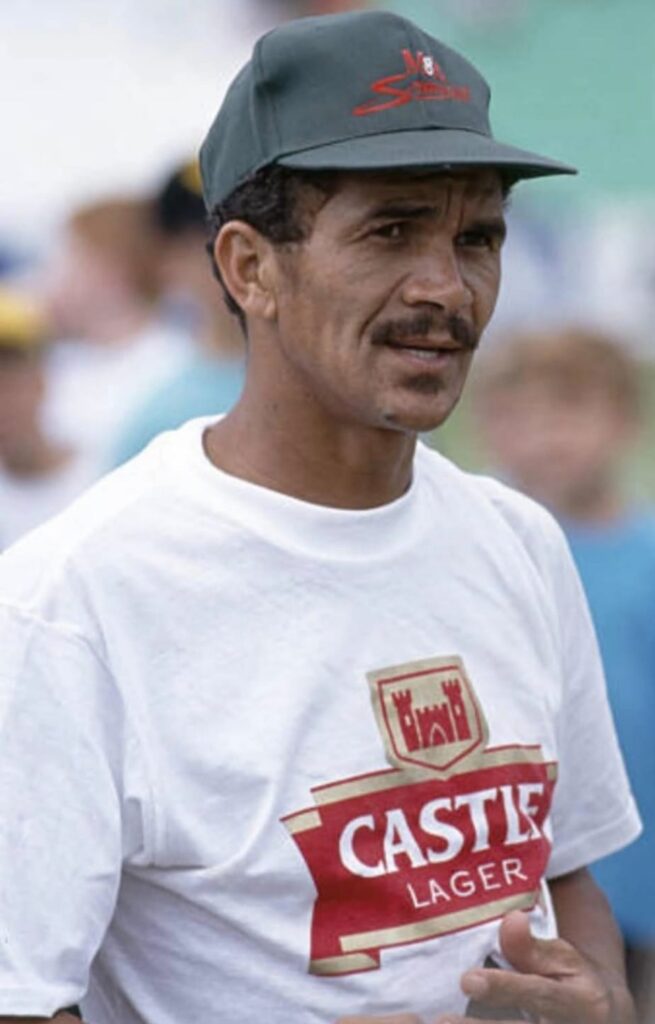
The international deadlock was broken, by God’s grace, with Mr. Omar Henry of the Western Cape. He made his Test debut on 13 to 17 November 1992 at Durban against India in the age of 40 years and 212 days — one of the oldest Test debutants in history, and the first non-white player for South Africa after the ICC ban was lifted.
At the veteran age of 40, he proved his skill and fitness at the highest level. He made his ODI debut on 2nd March 1992 against SriLanka at Wellington.Omar became a “Monument of Inspiration” for both young and veteran cricketers. He broke the barrier of discrimination in South African cricket and proved that talent cannot be stopped by barriers.
Today,74 years old Omar Henry is a symbol of hope and a leading role model. He never compromised his values and proudly represented his country at the highest level, showing the world that cricket in South Africa belongs to everyone.
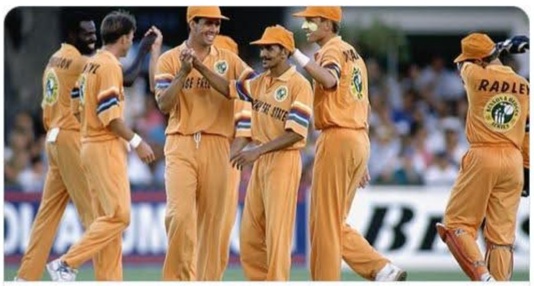
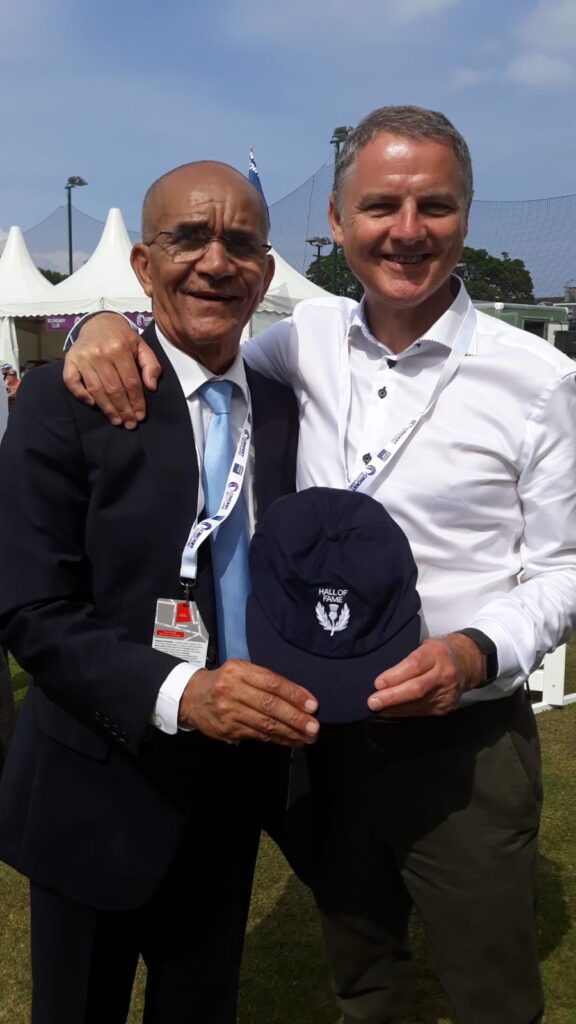
Unfortunately, he played only 3 Tests and 3 One Day Internationals, but he was part of the South African squad that reached the 1992 Cricket World Cup semi-finals. The slow left-arm orthodox spinner claimed 443 first-class wickets at an impressive average of 25 and scored over 4,500 runs, including five centuries. When official sides were denied entry, he shone against the rebel touring sides that visited South Africa. He later played in Scotland and became an administrator, serving as President of Cricket Scotland from 2017 to 2019. Omar was chosen as President again last year, and this is his second year.
While talking to CLIFF PAKISTAN, he said that Test cricket has always been loved by people from the 1960s to the late 1990s. The generation of those years is still willing to watch the longest format of the game. The challenge for Test matches is that the young generation wants everything very fast and ready. Now the five-day game requires some modifications to make it interesting and charming for young people. The decline of Test matches is a loss for cricket. Finding some space is mandatory for the longest format.
As President of Cricket Scotland, his work goes on. Members and affiliated players need to improve in all departments like playing, coaching, administration, umpiring, scoring, and other management tools. The Elite competition runs in the country, and they have already selected the best 50 players. Their prime focus is only white-ball cricket — T20 and ODIs. He is 89% confident they will become a full member of the ICC in the next 3 to 5 years.
Regarding question about Ireland, he said they are better, but unfortunately Scotland lost some grounds, and that is the reason they are lagging behind.
Talking about Pakistan and South African cricket, Omar Henry says Pakistan and South Africa have the same problem: both countries have declined in the quality of players. During the time of the racist ban, they still produced quality players, both Black and White. But what happened now? They need to look after their production side. Pakistan has always been in international cricket. He played against all the great players of Pakistan, so why can’t that talent be produced now? The issue remains the same.
The connection to Mr. Omar Henry is through former first-class cricketer and international record holder Nadeem Yousuf. He said, “On the ground we were opponents of each other at the time of playing, but off the ground we have always been friends. He is a very good friend of mine, and we are still in coordination.”
I am thankful to him that he suggested my name to you for this detailed interview. My best wishes for you, and please keep writing about cricket.