Syed Qalbe Muhammad
From sea to shore, from islands to landlocked countries, cricket is quietly reaching almost every corner of the world. Whenever I plan a trip, my first interest is always the history of sport in that place, and cricket sits at the top of that list.
I have never been to a landlocked country, but Malawi suddenly caught my attention. Senior journalist and editor of Cricketer magazine, Mansoor Ali Baig, shared his younger brother’s records and achievements in a Sports Journalists group. That sparked my curiosity to learn the cricket story of Malawi.
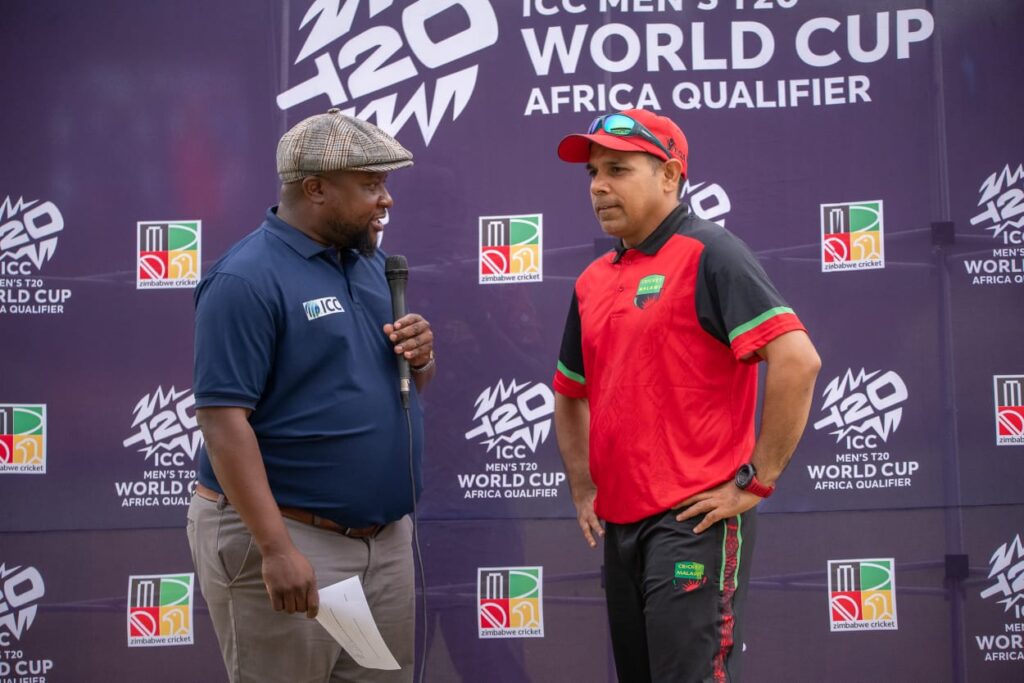
Through Mansoor’s help, I was privileged to speak to Mozzam Ali Baig, former Captain of the Malawi men’s cricket team — a simple, decent, and passionate voice for the game.
The Malawian Cricket History
Cricket was first played in Malawi in 1920. While records are limited, Malawi is believed to be one of the first landlocked countries in Africa where the game was introduced during the British colonial era. For decades, however, it remained a low-profile sport.
After 83 years, Malawi was granted independent ICC Affiliate Membership in 2003 and played its first ICC tournament that same year. Eight years later, in 2011, membership was suspended due to governance issues. It was reinstated in 2014, allowing both the men’s and women’s national teams to compete in ICC regional and global qualifying rounds.
A Slow Start, Then Momentum
“Cricket began in Malawi 106 years ago, but it truly took off in 2003 when we played our first ICC tournament,” Baig recalls. “The results weren’t remarkable, but it was the real beginning of cricket in Malawi.”
Mozzam Ali Baig’s Journey to Malawi
Baig chose Malawi on the suggestion of his elder brother, who was settled in Tanzania, for better employment opportunities. For his first two years he was unaware that cricket was played in Malawi.
At a gathering in Lilongwe, the capital, Mr. Rafiq Saji, skipper of Lilongwe Muslim Sports Club, gave him the opportunity to join. That’s where his cricketing journey in Malawi began.
He is also grateful to President Mr. Ganesan and Head Coach Arjun Menon for their trust. “The South African-born all-rounder Andre Botha, who played for Ireland in the 2007 World Cup — the match that knocked Pakistan out — also pushed me to play for Malawi,” Baig adds. “I’m grateful to all of these respected people for their trust and support in the early stage of my career.”
Building From the Ground Up
Cricket Malawi’s development arm, the Cricket Academy, runs grassroots programs, talent pathways, and high-performance camps. The TCA Oval is home to the CAM Dragons and serves as a key training hub.
The board also runs coaching, umpiring, and scoring courses, and is working to expand these programs into schools, colleges, and regional centers.
The Kit Challenge
Equipment remains a real challenge. “Players get kits through ICC development programs and sponsors,” Baig explains. “Those who can buy their own usually source gear from Pakistan, India, or South Africa. Pakistani bats have the best reputation, so everyone wants a bat made in Pakistan, even if the rest of the kit comes from elsewhere.”
T20 Focus, 50-Over Ambitions
“As an ICC Associate Member, our focus is mostly on T20 cricket,” he says. “But our next target is ODI division status.”
To get there, Malawi launched a 50-over league two years ago and is working to strengthen it. The T20 National Premier League is currently organized at a regional level.
The country has 3 grounds managed by Cricket Malawi and another 6 to 7 grounds where cricket is played regularly. There are 10 official clubs in each city, competing in Premier League Division One and Challenge League Division Two.
Media, Communities, and Growth
“No sport grows without media support,” Baig notes. Cricket Malawi uses official social media pages to share domestic and international updates.
“Initially, the media didn’t understand cricket. We held workshops for journalists so they could cover the game properly. Now newspapers and websites regularly highlight cricket.”
The sport is now played across communities — local Malawians, Christians, Hindus, and Muslims. “But our main focus is on Malawians, so they can represent the country on the big stage,” he says.
Pakistani Representation and a Historic Captaincy
Today, four players of Asian origin are in the Malawi men’s senior team, with the rest being local Malawians — a milestone Baig calls “a huge success.”
“Before ICC status, several Pakistanis played for Malawi,” he says. “After we became an Associate Member in 2014 and received T20 status in 2017, I became the first Pakistani, alongside two other overseas players, to represent Malawi in the 2018 Africa Cup and ICC T20 World Cup qualifiers.”
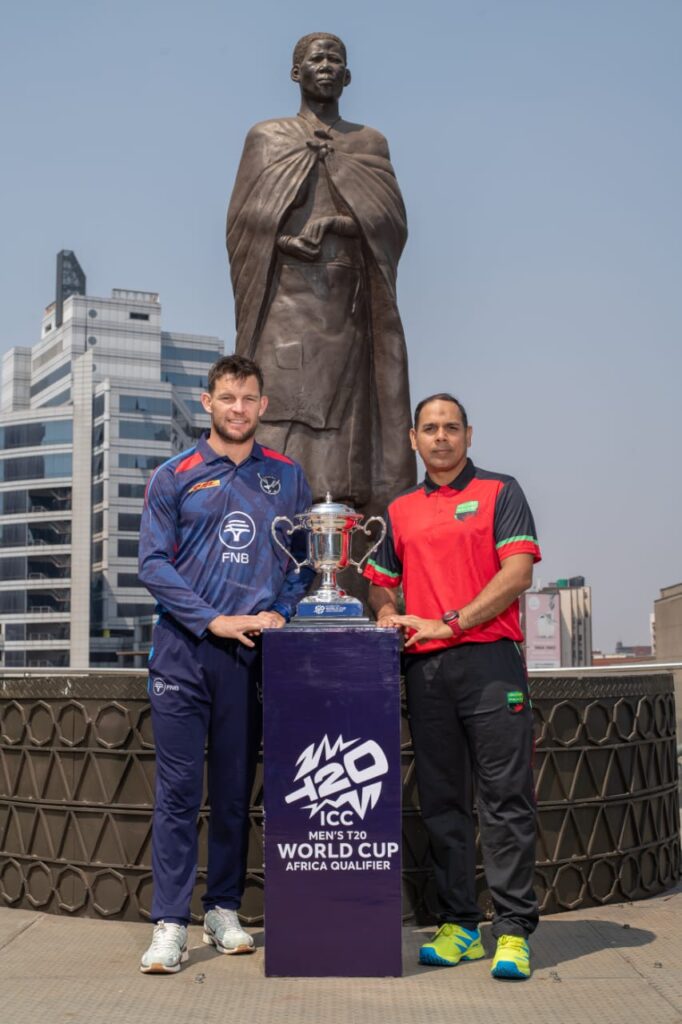
“By God’s grace, I was also the first Pakistani to captain Malawi, from 2021 to 2025. We played in the Africa T20 Cup in Benoni, South Africa, and in ICC T20 World Cup qualifiers. We reached the Africa Cup final twice and qualified for the ICC T20 regional finals in Zimbabwe in 2025. Until now, I am Malawi’s most successful captain.”
Mozzam’s Remarkable Records
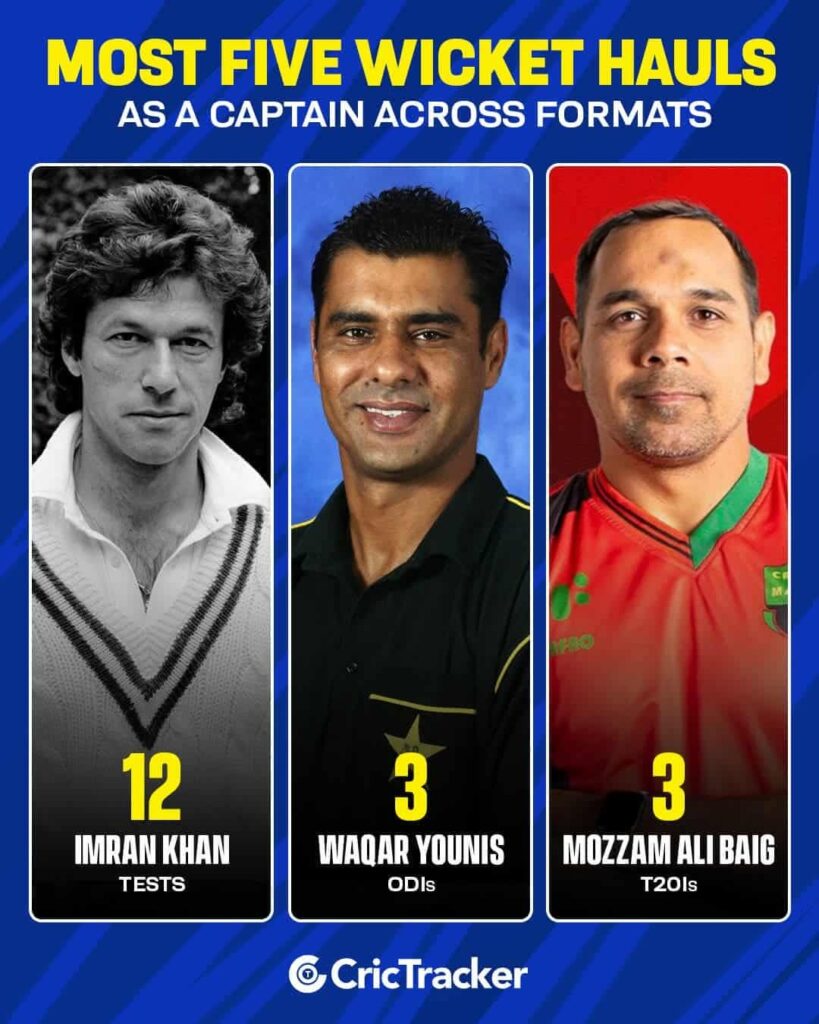
Associate records rarely get the spotlight, but Mozzam’s numbers reflect his impact as a leader:
- Most five-wicket hauls in T20s as a captain
- Best bowling figures in T20s as a captain
- Best bowling average: 9.57 in T20s as captain
- Best bowling economy rate in T20s as captain — 4th best globally overall
- First bowler to take 3 five-wicket hauls in T20s
The Next Innings
Baig retired in March 2026.He is now an ICC Level 2 Qualified Coach and Level 2 Qualified Umpire.
“My plan now is to give back,” he says. “I want to share my experience with Malawi’s youth and coach the next generation.”
From a colonial pastime in 1920 to a growing national sport in 2025, Malawi’s cricket story is still being written — one local player, one new ground, and one Pakistani-made bat at a time.